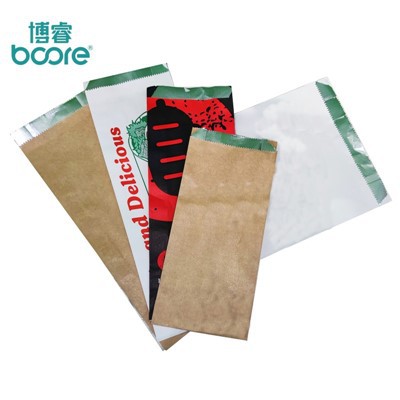

In an era where environmental sustainability is at the forefront of global concerns, many consumers are increasingly conscious about the recyclability of products they use daily. One such product that has drawn growing attention is disinfectant wipes, especially their packaging films. As a supplier of Disinfectant Wipe Packaging Film, I have been frequently asked whether these packaging films can be recycled. This blog aims to delve into this question and provide a comprehensive answer based on scientific knowledge and industry insights.
The Composition of Disinfectant Wipe Packaging Films
To understand the recyclability of disinfectant wipe packaging films, it's crucial to first understand their composition. Most disinfectant wipe packaging films are made from a combination of materials, typically a laminate of plastic and aluminum. The plastic component is often polyethylene (PE), which provides flexibility and moisture resistance, while the aluminum layer offers a barrier against oxygen, light, and moisture, helping to preserve the integrity and effectiveness of the disinfectant wipes inside.
The use of such multi - layer laminates is driven by the need to protect the wipes from contamination, drying out, and chemical degradation. However, this very composition also complicates the recycling process.
Challenges in Recycling Disinfectant Wipe Packaging Films
The main challenge in recycling disinfectant wipe packaging films lies in their laminated structure. Recycling usually requires materials to be single - component or easily separable. When different materials are laminated together, as in the case of plastic - aluminum laminates, they cannot be processed in a standard recycling facility designed for single - material plastics or metals.
Plastic and aluminum have different melting points and physical properties. In a traditional recycling process, separating these two materials from each other is extremely difficult and costly. Moreover, the small size and thin nature of the packaging films can further complicate the handling and sorting process in recycling facilities. Additionally, the presence of residues from the disinfectant wipes themselves on the packaging can contaminate the recycling stream, making the recycling process even more challenging.
Current Recycling Options
Currently, the recycling of disinfectant wipe packaging films is still limited. Many municipal recycling programs do not accept these types of multi - layer laminates due to the technical difficulties mentioned above. However, some specialized recycling facilities and programs have emerged that attempt to process these materials.
These specialized facilities use advanced technologies to separate the plastic and aluminum layers. One common method is the use of chemical processes that can dissolve the plastic while leaving the aluminum intact, or vice versa. Another approach is mechanical separation, where the laminates are ground into small pieces, and then the different materials are separated based on their physical properties such as density and electrical conductivity.
However, these specialized recycling solutions are not widely available. They often require a significant amount of investment in equipment and technology, and the scale of operation is relatively small compared to traditional recycling facilities. As a result, only a small fraction of disinfectant wipe packaging films is currently being recycled.
Alternatives and Future Directions
In the face of the challenges in recycling disinfectant wipe packaging films, there are several alternatives that the industry is exploring.
One alternative is the development of more recyclable packaging materials. Some manufacturers are researching and producing single - material packaging films that still offer the necessary protection for disinfectant wipes. For example, a high - performance polyethylene film that can replace the plastic - aluminum laminate while being more easily recyclable.
Another approach is the concept of circular economy initiatives. This involves designing packaging in a way that it can be easily returned to the manufacturer or a recycling system. For instance, some companies are implementing take - back programs where consumers can return used disinfectant wipe packaging to the store or a designated collection point. The collected packaging can then be sent to specialized recycling facilities for processing.
Our Role as a Supplier
As a supplier of Disinfectant Wipe Packaging Film, we are committed to promoting environmental sustainability. We are actively involved in research and development to explore more recyclable packaging solutions. We are working closely with raw material suppliers and recycling companies to develop packaging materials that are not only effective in preserving the quality of disinfectant wipes but also easier to recycle.
In addition to the Disinfectant Wipe Packaging Film, we also offer other related products, such as Feminine Hygiene Wipes Packing Film and Alcohol Wipe Packaging Film. All of our products are designed with the highest standards of quality and environmental friendliness in mind.
Encouraging Contact for Purchase and Collaboration
We understand that our customers are increasingly concerned about environmental issues when making purchasing decisions. Our commitment to developing more recyclable packaging solutions can not only meet the quality and performance requirements for your disinfectant wipes but also align with your sustainability goals.
If you are a manufacturer of disinfectant wipes, feminine hygiene wipes, or alcohol wipes and are looking for high - quality and environmentally - friendly packaging solutions, we encourage you to contact us for more information on our products. We are ready to provide you with detailed product specifications, samples, and pricing information. Let's work together to create a more sustainable future for the packaging industry.


References
- "Packaging Recycling: Challenges and Opportunities" - Journal of Environmental Science and Technology
- "Advanced Materials for Sustainable Packaging" - International Journal of Packaging Engineering
- Industry reports on plastic - aluminum laminate recycling technologies and trends