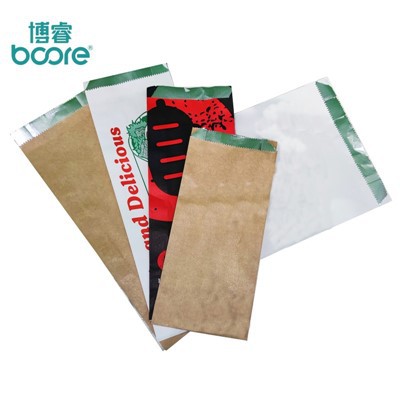

Milk powder is a popular and convenient product that provides essential nutrients for people of all ages. However, one of the biggest challenges in the milk powder industry is preventing oxidation, which can lead to a loss of nutritional value, off - flavors, and reduced shelf life. As a leading Milk Powder Packing Film supplier, we understand the importance of this issue and have developed advanced packing films to address it. In this blog, we will explore how our Milk Powder Packing Film effectively prevents the oxidation of milk powder.
The Science of Oxidation in Milk Powder
Oxidation in milk powder occurs when the milk powder comes into contact with oxygen. Oxygen can react with the unsaturated fatty acids present in milk powder, leading to the formation of peroxides and other oxidation products. These products not only change the taste and smell of the milk powder but also reduce its nutritional value. Vitamins such as vitamin A, vitamin C, and vitamin E are particularly susceptible to oxidation, and their degradation can significantly impact the health benefits of the milk powder.
In addition to oxygen, factors such as light, heat, and moisture can also accelerate the oxidation process. For example, exposure to sunlight can cause photo - oxidation, while high temperatures can increase the rate of chemical reactions. Moisture can also promote the growth of microorganisms, which can further degrade the milk powder.
Key Features of Our Milk Powder Packing Film
Our Milk Powder Packing Film is designed with several key features to prevent oxidation and protect the quality of milk powder.
High Barrier Properties
The most important feature of our packing film is its high barrier properties against oxygen, light, and moisture. The film is made of multiple layers, including an aluminum layer, which acts as an excellent oxygen and light barrier. Aluminum has a very low oxygen transmission rate (OTR), which means it can effectively prevent oxygen from entering the package and reaching the milk powder. The OTR of our film is carefully controlled to ensure that it meets the strict requirements for milk powder packaging.
In addition to the aluminum layer, the film also has other layers that provide moisture resistance. These layers prevent moisture from entering the package, which is crucial because moisture can not only promote oxidation but also cause the milk powder to clump. Our film's moisture vapor transmission rate (MVTR) is also optimized to keep the milk powder dry and fresh.
Seal Integrity
Another important aspect of preventing oxidation is ensuring a tight seal. Our Milk Powder Packing Film is designed to provide a strong and reliable seal. The sealing process is carefully controlled to ensure that there are no leaks or gaps in the package. A good seal prevents oxygen from entering the package and keeps the milk powder protected. We use advanced sealing technologies, such as heat sealing, to create a hermetic seal that can withstand the rigors of transportation and storage.
Anti - Static Properties
Milk powder is prone to static electricity, which can cause it to stick to the packaging film and make it difficult to pour. Our packing film has anti - static properties, which reduce the build - up of static electricity. This not only makes it easier to handle the milk powder but also helps to prevent the formation of air pockets in the package, which could potentially allow oxygen to enter.
Case Studies: The Effectiveness of Our Milk Powder Packing Film
We have conducted numerous case studies to demonstrate the effectiveness of our Milk Powder Packing Film in preventing oxidation. In one study, we compared the oxidation levels of milk powder packaged in our film with milk powder packaged in a standard film. The results showed that after a period of six months, the milk powder packaged in our film had significantly lower levels of oxidation products compared to the milk powder packaged in the standard film.
The milk powder packaged in our film retained its original flavor, color, and nutritional value, while the milk powder in the standard film showed signs of oxidation, such as a rancid smell and a change in color. These results clearly demonstrate the superior performance of our Milk Powder Packing Film in preventing oxidation.


Other Food Packaging Films We Offer
In addition to Milk Powder Packing Film, we also offer a range of other food packaging films. For example, our Sauce Cup Packging Film is designed to keep sauces fresh and prevent spoilage. It has similar high - barrier properties as our milk powder packing film, ensuring that the sauces are protected from oxygen, light, and moisture.
Our Yogurt Cup Packing Film is also tailored to the specific needs of yogurt packaging. It provides a tight seal to prevent the entry of oxygen and other contaminants, while also maintaining the texture and flavor of the yogurt.
Conclusion and Call to Action
In conclusion, our Milk Powder Packing Film plays a crucial role in preventing the oxidation of milk powder. Its high barrier properties, seal integrity, and anti - static features ensure that the milk powder remains fresh, nutritious, and flavorful for an extended period. If you are in the milk powder industry or any other food packaging industry, and you are looking for high - quality packing films, we are here to help.
Our team of experts can provide you with detailed information about our products and how they can meet your specific packaging needs. Whether you need Milk Powder Packing Film, Sauce Cup Packging Film, or Yogurt Cup Packing Film, we have the solutions. Contact us today to start a discussion about your packaging requirements and explore how our products can add value to your business.
References
- Karel, M., & Lund, D. B. (1984). Food process engineering and technology. Marcel Dekker.
- Robertson, G. L. (2012). Food packaging: Principles and practice. CRC press.
- Roos, Y. H. (1995). Phase transitions in foods. Academic Press.