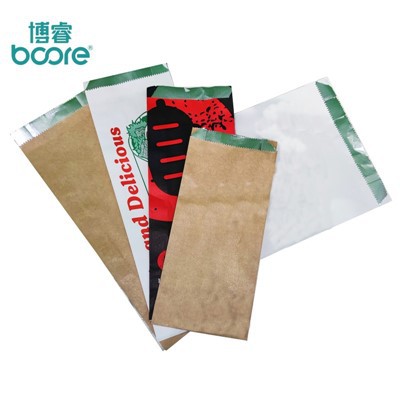

Hey there! As a supplier of Sauce Cup Packging Film, I often get asked about the puncture resistance of our packaging film. So, I thought I'd take a moment to break it down for you.
What is Puncture Resistance?
Puncture resistance is a measure of how well a material can withstand the force of a sharp object without getting pierced. In the context of sauce cup packaging film, it's super important. You don't want your sauce cups to get punctured during handling, transportation, or storage. A punctured package can lead to leaks, which not only waste the product but also create a mess and can even pose a hygiene risk.
Why is Puncture Resistance Crucial for Sauce Cup Packaging Film?
Let's face it, sauce cups go through a lot. They're stacked on top of each other, tossed around in boxes, and sometimes even subjected to rough handling. If the packaging film isn't puncture-resistant, it can easily get damaged. This is especially important when you're dealing with sauces, which are often thick and sticky. A leak can be a real headache for both the manufacturer and the consumer.
Factors Affecting Puncture Resistance
There are several factors that can affect the puncture resistance of sauce cup packaging film. Here are some of the key ones:
Material Composition
The type of materials used in the film plays a big role. For example, films made from high - density polyethylene (HDPE) or polypropylene (PP) tend to have better puncture resistance compared to some other materials. These polymers have strong molecular structures that can withstand the force of a puncture.
Film Thickness
Thicker films generally have better puncture resistance. However, it's a balance. If the film is too thick, it can be more expensive and may not be as flexible, which can be a problem for some packaging applications. We need to find the right thickness that provides good puncture resistance without sacrificing other important properties like flexibility and transparency.
Lamination
Laminating multiple layers of different materials can also improve puncture resistance. For example, a laminate of a plastic layer and an aluminum layer can provide better protection than a single - layer film. The aluminum layer can act as a barrier, while the plastic layer can add flexibility and strength.
How We Test Puncture Resistance
At our company, we take puncture resistance seriously. We use a variety of tests to ensure that our Sauce Cup Packging Film meets the highest standards.
One of the most common tests is the puncture test. In this test, we use a sharp probe to apply a force to the film until it punctures. We measure the force required to puncture the film, which gives us an idea of its puncture resistance. We also test the film under different conditions, such as at different temperatures and humidity levels, to make sure it performs well in real - world situations.
Comparing with Other Packaging Films
It's interesting to compare the puncture resistance of our sauce cup packaging film with other types of packaging films. For example, Yogurt Cup Packing Film and Honey Bar Stick Sachet Packaging Film.
Yogurt cup packing film needs to be puncture - resistant as well, but it may have different requirements. Yogurt is less viscous than most sauces, so the film doesn't need to withstand as much pressure from the product itself. However, it still needs to protect the yogurt from external punctures during handling and transportation.
Honey bar stick sachet packaging film also has its own set of requirements. Honey is sticky and can be difficult to contain. The film needs to be puncture - resistant to prevent leaks, but it also needs to be easy to tear open for the consumer.


Benefits of Our Puncture - Resistant Sauce Cup Packaging Film
Our puncture - resistant sauce cup packaging film offers several benefits:
Product Protection
The main benefit is, of course, product protection. Our film ensures that your sauces stay inside the cup, preventing leaks and spoilage. This means less waste and happier customers.
Brand Image
A leak - free package reflects well on your brand. Customers are more likely to trust a brand that uses high - quality packaging. Our puncture - resistant film can help you maintain a positive brand image.
Cost - Efficiency
By reducing the number of damaged packages, our film can save you money in the long run. You won't have to deal with returns or replacements due to leaks, which can be costly.
How to Choose the Right Puncture - Resistant Sauce Cup Packaging Film
When choosing a puncture - resistant sauce cup packaging film, there are a few things to consider:
Your Product
The type of sauce you're packaging matters. If it's a thick, chunky sauce, you'll need a film with higher puncture resistance. If it's a thin, runny sauce, you may be able to get away with a film with slightly lower puncture resistance.
Your Packaging Process
Consider your packaging process. If you're using high - speed packaging equipment, the film needs to be able to handle the stress of the process without getting punctured.
Your Budget
Of course, budget is always a factor. You need to find a film that offers the right level of puncture resistance at a price that fits your budget.
Conclusion
Puncture resistance is a crucial property of sauce cup packaging film. It ensures that your sauces are protected during handling, transportation, and storage. At our company, we're committed to providing high - quality Sauce Cup Packging Film with excellent puncture resistance.
If you're in the market for sauce cup packaging film, we'd love to talk to you. Our team of experts can help you choose the right film for your needs. Whether you're a small - scale producer or a large - scale manufacturer, we have solutions that can work for you. So, don't hesitate to reach out and start a conversation about your packaging requirements.
References
- ASTM D5748 - Standard Test Method for Puncture Resistance of Flexible Barrier Films and Laminates
- Packaging Machinery Manufacturers Institute (PMMI) - Guidelines for Packaging Film Performance